Post-Surgery Care After Cancer Surgery: What Patients and Families Should Know
Recovery after cancer surgery needs proper wound care, medicines, diet, rest, warning sign awareness, and regular follow-up.
Why post-surgery care matters
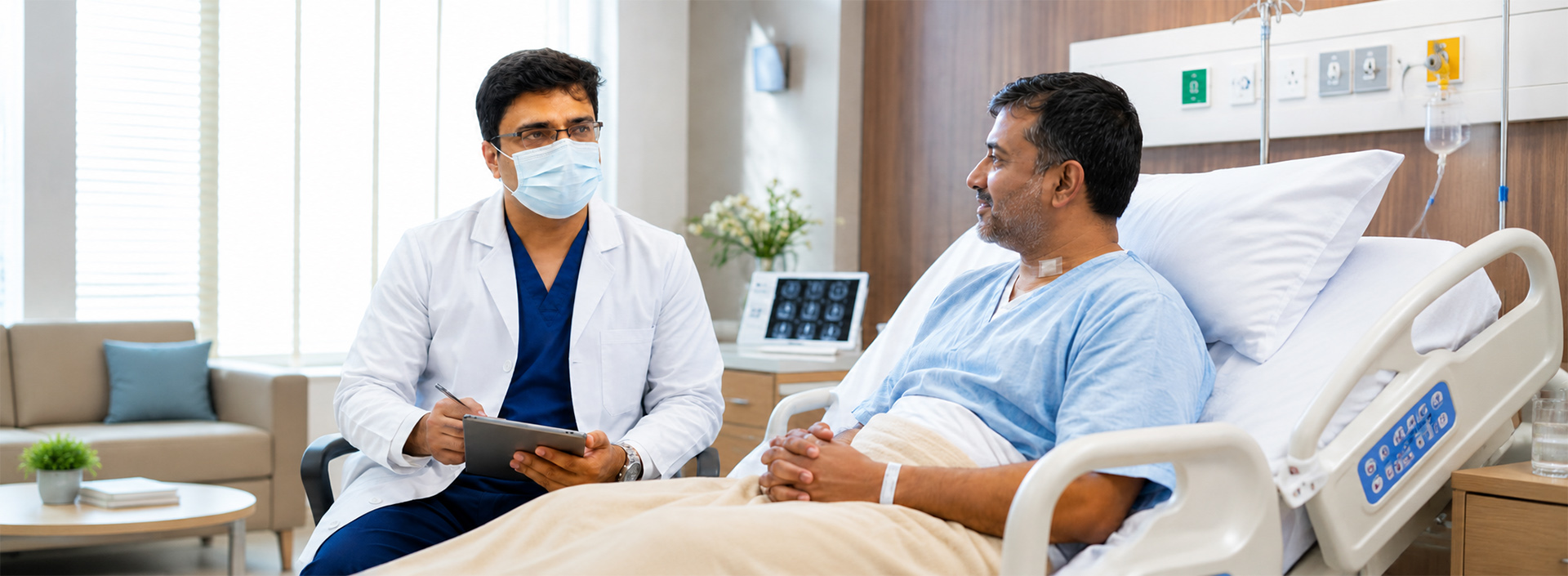
Cancer surgery does not end when the operation is completed. Recovery after surgery is an important part of treatment. Proper post-surgery care can support wound healing, reduce complications, help the patient regain strength, and prepare for the next step in cancer treatment if required.
Every patient’s recovery is different. The type of surgery, cancer stage, patient age, nutrition, diabetes, blood pressure, other medical conditions, and final biopsy report can all affect recovery.
1. Keep the wound clean and dry
Wound care is one of the most important parts of recovery. Follow the discharge instructions given by the doctor or hospital team. Keep the wound area clean and dry as advised.
Do not apply creams, powders, oil, or home remedies on the wound unless the doctor advises. If dressing changes are needed, follow the recommended method.
2. Take medicines on time
After surgery, medicines may include pain medicines, antibiotics, stomach protection medicines, blood thinners, or medicines for existing conditions such as diabetes or blood pressure.
Take medicines exactly as prescribed. Do not stop antibiotics early unless advised. Do not take extra painkillers without medical advice.
3. Watch for fever or infection signs
- Fever or chills
- Wound redness
- Swelling
- Pus or discharge
- Bad smell from wound
- Bleeding
- Increasing pain
- Sudden weakness
4. Eat properly for healing
Nutrition supports healing. Many patients feel low appetite after surgery, but small and nutritious meals can help. Follow diet instructions given after surgery, especially if the surgery involved the mouth, throat, stomach, intestine, liver, pancreas, or abdominal organs.
5. Maintain hydration
Hydration supports recovery. Unless fluid restriction is advised due to kidney, heart, or other medical conditions, patients should maintain adequate fluid intake.
6. Avoid heavy activity
Rest is important, but complete inactivity is not always good. Many patients are advised to walk slowly and gradually as permitted. Avoid heavy lifting, bending, sudden stretching, or strenuous activity until cleared by the doctor.
7. Attend follow-up appointments
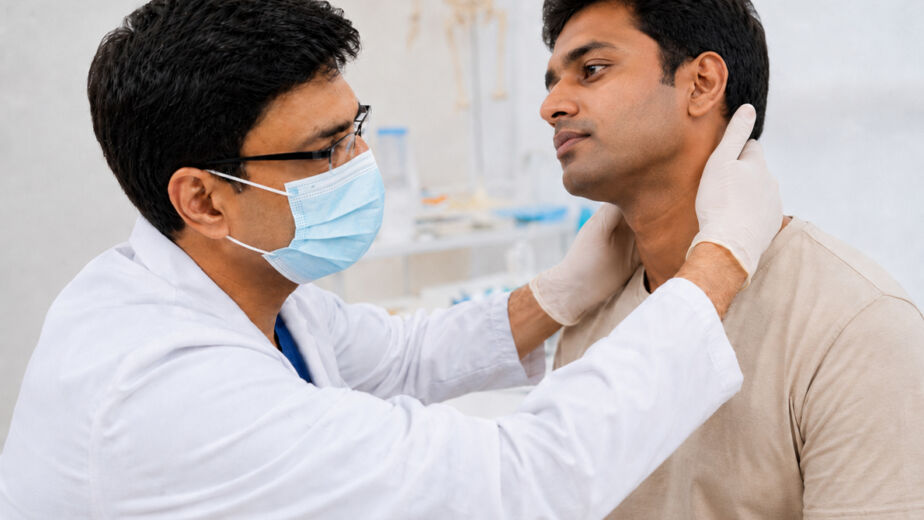
Follow-up visits are essential after cancer surgery. The doctor may check wound healing, remove stitches if needed, review the final biopsy report, and discuss the next step in treatment.
8. Bring the final biopsy report
The final biopsy or histopathology report after surgery is very important. It can help decide whether further treatment such as chemotherapy, radiotherapy, or observation is required.
- Discharge summary
- Operation notes
- Final biopsy report
- Scan reports
- Blood reports
- Current medicine list
- Previous treatment records
9. Avoid tobacco, gutkha, smoking, and alcohol
After cancer surgery, avoiding tobacco, gutkha, smoking, and alcohol is very important. These habits can affect healing and may increase future health risks, especially in oral and head-neck cancer patients.
10. Take emotional recovery seriously
Cancer surgery affects the body and mind. Fear, anxiety, sleep disturbance, low mood, and appetite changes are common. Patients should not hesitate to discuss emotional distress with the doctor.
When should you contact the doctor after surgery?
- Fever or chills
- Increasing pain despite medicines
- Wound redness, swelling, pus, or discharge
- Bleeding from surgical site
- Breathing difficulty
- Chest discomfort
- Severe vomiting
- Inability to eat
- Sudden weakness
- Dizziness or fainting
- Swelling in legs
- Reduced urine output
For severe bleeding, breathing difficulty, loss of consciousness, severe chest pain, or any critical condition, visit the nearest emergency department immediately.
Will chemotherapy or radiotherapy be needed after surgery?
This depends on the final biopsy report, cancer type, stage, surgical findings, lymph node status, margins, and multidisciplinary treatment planning. Some patients need further treatment after surgery. Some may need observation and regular follow-up.
Need Post-Surgery Guidance?
Book a follow-up consultation with Dr. Rohit Kumar Jha for wound review, recovery guidance, report discussion, and further cancer treatment planning in Ranchi.
Book Follow-Up